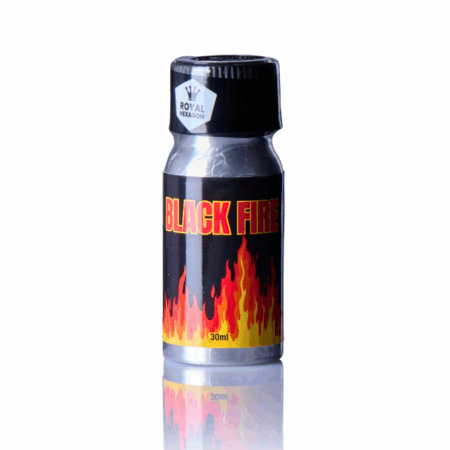
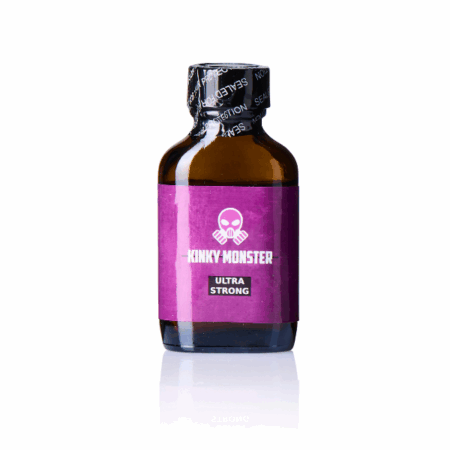
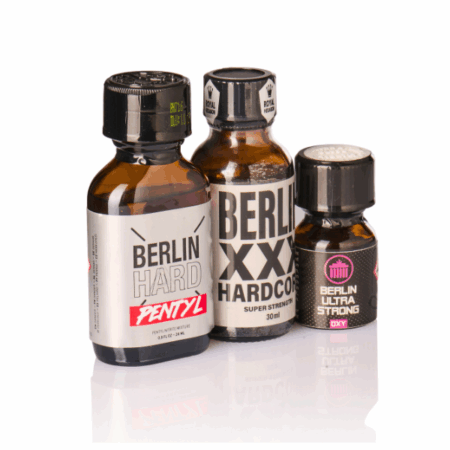
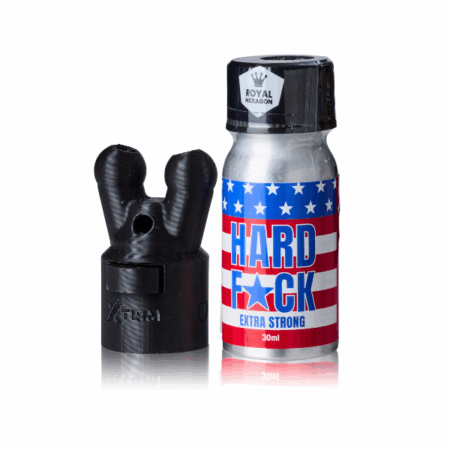
TL;DR: Poppers don’t belong in the fridge. Temperature fluctuations, humidity and the reduced potency in cold conditions do more harm than good – not to mention the risk of mistaking them for drink shots. Better options: a drawer, cupboard or cellar. Cool, dark and stable.
At first glance, the idea makes perfect sense.
We keep food in the fridge to make it last longer. Cold slows things down. Bacteria grow slower. Fruit stays fresh. So it feels logical to apply the same thinking to poppers: put them in the fridge, and they should stay “fresh” for longer. That instinct is not wrong. It is just applied to the wrong type of product.
Poppers are not organic matter. They are not a melon, not juice, not something that “spoils” in the way food does. They are chemical compounds, typically based on alkyl nitrites. And that difference changes everything.
Because with poppers, freshness is not about stopping bacteria. It is about controlling evaporation, oxidation, and chemical stability. And refrigeration does not solve those problems in the way people expect. In some cases, it actively makes them worse.
Let’s break this down properly.
Why the Fridge Logic Breaks Down
The core misunderstanding is simple: cold does not equal stable. Yes, lower temperatures can reduce evaporation. That part is true. But poppers do not exist in a static environment. They are opened, closed, moved, warmed up, and exposed to air again and again.
Every time that happens, you create temperature fluctuations, and that is where the problem starts.
When poppers go from cold (fridge) to warm (room temperature), and back again, the liquid and the air inside the bottle expand and contract. This repeated cycle stresses the chemical composition and accelerates degradation rather than slowing it down.
Some guides even suggest refrigeration as “ideal,” but they often ignore this dynamic use pattern. In real use, poppers are not stored untouched for months. They are handled, opened, and used in sessions. Stability matters more than raw temperature. 1, 2
What Actually Happens in the Fridge
1. Chemical Deterioration Through Fluctuation
Alkyl nitrites are volatile and sensitive. Their strength depends on maintaining a relatively stable internal environment.
When you repeatedly move a bottle between cold and warm conditions:
- Internal pressure changes
- Air exchange increases
- The balance of the liquid shifts
Over time, this leads to a faster breakdown of the active compounds. Instead of preserving the formula, you destabilize it. This is why consistent, moderate conditions outperform cold storage in practice.
2. Moisture Contamination
Fridges are not dry environments. They are humid. Every time you take a cold bottle out into warmer air, condensation forms. That moisture can interact with the contents or enter the bottle during opening.
Even small amounts of water can interfere with the chemical stability of poppers, contributing to that “off” smell or reduced effect some users notice. Some sources even note that moisture exposure contributes directly to decomposition and changes in smell and color.
In simple terms: cold introduces water risk. And water is not your friend here.
3. Reduced Performance During Use
Cold poppers do not behave like room-temperature poppers.
They produce less vapor. The “hit” feels weaker until the liquid warms up. So users often end up:
- Opening the bottle longer
- Waiting for it to warm
- Re-exposing it to air unnecessarily
Which again accelerates the exact processes you are trying to avoid. You end up losing more than you gain.
4. The Very Real Risk of Confusion
This one is often underestimated, but it is one of the most important points.
Small poppers bottles can resemble energy shots or drink bottles, especially in shared environments. When stored in a fridge alongside actual consumables, the risk of confusion increases significantly.
There are documented concerns around this exact scenario, particularly in social settings where someone might grab a small bottle without checking. And this is not a minor mistake. Poppers are not for ingestion. Confusing them with a drink can lead to serious harm.
So beyond chemistry, there is a clear safety argument: the fridge is the wrong place.
So What Should You Do Instead?
If the goal is to keep poppers “fresh” (meaning: strong aroma, clean scent, and reliable effect), the strategy is not about making them cold. It is about making them stable.
Here are a few principles that work in practice without overlapping too much with full storage guides:
- Keep temperature consistent
Pick a spot that does not fluctuate. Not near windows, not near heaters, not in a car, and not in a fridge. - Minimize air exposure
Every opening introduces oxygen and removes vapor. Keep openings short and controlled. - Avoid moisture
Bathrooms, kitchens, and fridges all introduce humidity. Dry environments are better. - Think practical use
You want something that works when you reach for it. Not something that needs to “recover” before use.
These principles align with the underlying chemistry: less stress, less exchange, less variation.
The Best Way to Store Poppers (Simple and Effective)
If you strip away all the myths, the best storage setup is straightforward:
A cool, dark, stable place at room or slightly below room temperature.
That usually means:
- A drawer
- A cupboard
- A storage box or a poppers keeper
- A dedicated container
- A cellar
Ideally:
- Away from sunlight
- Away from heat sources
- Stored upright
- Properly sealed
Some guidance even points toward slightly cooler ambient environments (around cellar temperature) as ideal, rather than refrigeration.
Final Thought
The fridge myth persists because it feels intuitive. But poppers are not food. They do not benefit from refrigeration in the same way. In practice, the fridge introduces more variables than it removes: temperature swings, moisture, handling friction, and safety risks.
If you want your poppers to last longer and perform consistently, focus on stability, not cold. That one shift in thinking changes everything. Enjoy!
FAQ
Should you keep poppers in the fridge?
Do poppers last longer in the fridge?
Not in real-world use. While cold can reduce evaporation in theory, repeated warming and cooling cycles degrade the formula faster over time.
Why do some people store poppers in the fridge?
What happens if poppers get too cold?
Can moisture damage poppers?
Yes. Moisture can contribute to chemical breakdown and changes in smell, color, and effectiveness.
Is it dangerous to keep poppers in the fridge?
Where is the best place to store poppers?
Should poppers be stored cold or at room temperature?
Do unopened poppers need refrigeration?
How long do poppers last after opening?
It depends on use and storage, but typically a few weeks to a couple of months with proper handling and minimal exposure to air.