Poppers are simple to use, but they are not carefree products. Whether you use poppers in glass bottles or aluminum pocket formats, spills and empty bottles are part of reality. Knowing how to deal with both properly makes you a more informed user, not just for a more relaxed experience, but also for safety and the environment.
This guide covers two things every poppers user eventually encounters: what to do when poppers spill, and how to discard bottles responsibly once they are empty or no longer provide that “kick”.
What Happens When You Spill Poppers
A spill can be unpleasant for several reasons. The smell is immediate and intense, the fumes can linger, and the liquid itself can damage certain materials and stain surfaces. Plastics, varnished wood, painted furniture, and synthetic materials are particularly vulnerable.
Spills happen more often than people expect. A bottle tips over. A cap is not fully tightened. A glass bottle breaks. You have been there. The format may differ, but the chemical properties of poppers remain the same.
The key here, is speed and calm. Acting quickly prevents long-lasting odors and reduces the risk of surface damage.
How to Clean Up Spilled Poppers Safely
Ventilate Immediately
As soon as a spill happens, open all windows and doors. Fresh air is essential. Poppers fumes are strong, and proper ventilation reduces inhalation and helps odors dissipate more quickly. If possible, leave the room while the air circulates. You do not want to inhale fumes continuously while cleaning. Wearing a simple surgical mask can offer additional protection.
Absorb, Do Not Rub
Use paper towels or an old cloth to soak up the liquid. Dab gently rather than rubbing. Rubbing can spread the liquid and push it deeper into surfaces, especially fabrics or soft materials. Once the liquid is absorbed, place the used towels or cloths aside for later disposal.
Clean the Surface Gently
Wash the affected area with warm, soapy water. Mild dish soap works well in most cases. Avoid harsh cleaners, bleach, or strong chemical sprays, as these may react with the residue or further damage the surface. If the spill is on a sensitive surface, test the soapy water on a small, hidden area first.
Neutralize Lingering Odors
Even after cleaning, the smell can linger. Do not use perfumes or air fresheners that mask the odor, instead, use baking soda that can help neutralize odors. Simply sprinkle some baking soda, leave it for a short time and brush it away or vaccuum.
Dispose of Cleaning Materials Carefully
Used paper towels or cloths may continue to emit fumes. Do not throw them straight into the trash uncovered. Either allow them to air out fully in a well-ventilated area or seal them in a plastic bag before disposal. This reduces lingering odors and prevents unwanted fumes indoors.
Deep cleaning if required
For a more thorough clean, a handheld steamer can be very effective. Because poppers evaporate, steam helps lift remaining residue from surfaces. This is especially useful for carpets, mattresses, and upholstered furniture.
Glass vs Aluminum Bottles
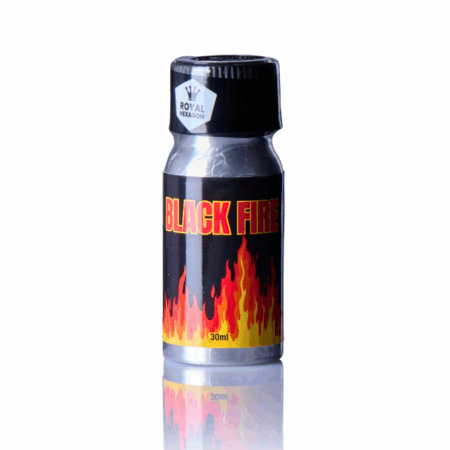
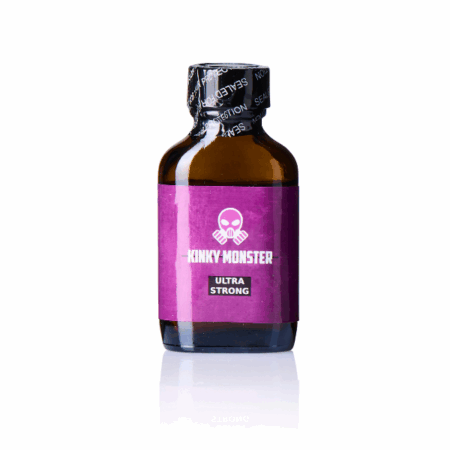
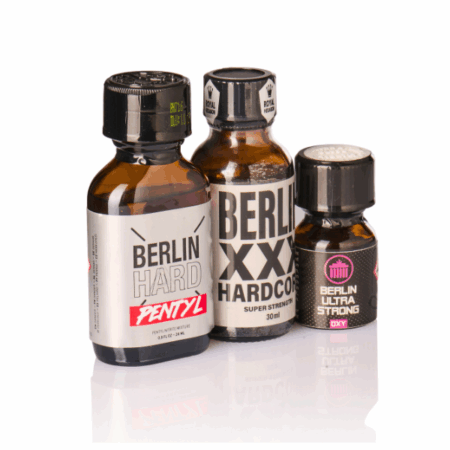
Poppers are commonly sold in two formats:
Glass bottles
- More fragile
- More likely to break during a spill
- More soiling in case of breakage
Aluminum bottles
- More resistant to impact
- Spills can still happen if caps loosen or bottles are compressed
Regardless of the bottle material, the liquid inside behaves the same. Cleaning steps and disposal rules apply equally to both formats.
Disposing of Empty or Unusable Poppers Bottles
Once a bottle is empty, stale, or no longer wanted, it should not be treated as ordinary waste without thought.
One rule matters above all others
Never pour poppers down the sink, or toilet.
Nitrites are harmful to the environment and contribute to water pollution.
Controlled Evaporation
If a small amount remains and the product is no longer usable, one option is controlled evaporation. Place the open bottle outdoors or in a well-ventilated area, away from children, animals, and air intakes. Over time, the liquid will evaporate. Once the bottle is completely empty and dry, it can be handled according to local waste guidelines.
Use Proper Waste Facilities
Many municipalities provide hazardous household waste collection points for solvents and chemicals. Empty or nearly empty poppers bottles, whether glass or aluminum, can be stored safely and taken to these facilities in batches. This prevents chemical residues from entering the water table and ensures proper handling.
Do not rinse bottles before disposal.
Rinsing can carry residues into pipes and cause environmental harm
Recycling Bottles
Poppers bottles consist of:
- A glass or aluminum container
- A plastic cap
- An adhesive label
Recycling rules vary by location. In some areas, fully empty and dry glass or aluminum bottles may be recyclable, while plastic caps must be disposed of separately. In other regions, containers that held chemical solvents must be treated as hazardous waste. Always follow local recycling guidelines.
When uncertain, choose the safer disposal option.
Store Smart, Spill Less
Poppers rarely come with storage instructions, but a few simple habits help reduce spills and waste:
- Keep bottles cool and away from direct light
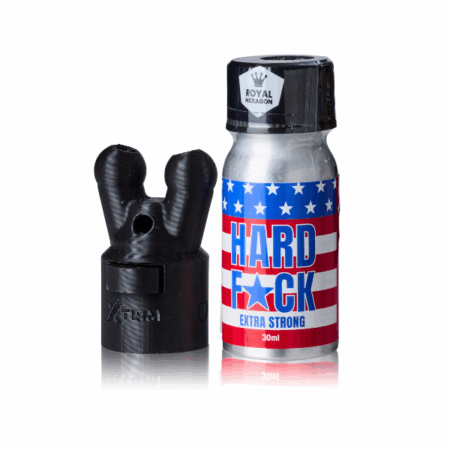
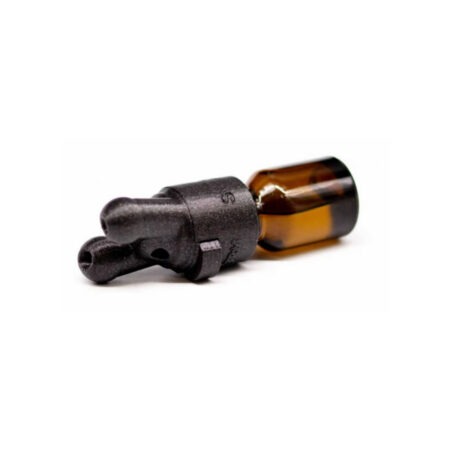
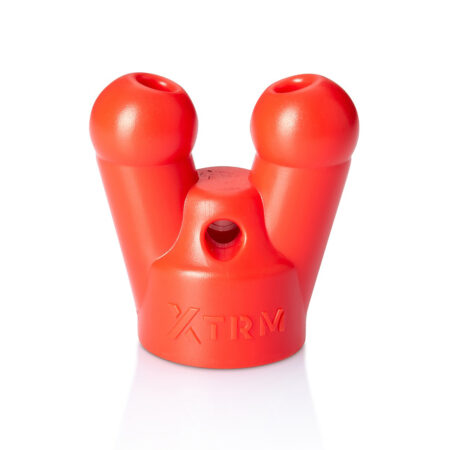
- While using poppers, use a leakproof sniffer in the right size
- Ensure caps are tightly sealed after use
- Store upright whenever possible
These small precautions not only help preserve freshness but minimize spills.
A Cleaner Space, A Better Experience
Spills happen, and bottles eventually run out. Knowing how to use poppers safely and dispose of them responsibly makes the experience better for everyone.
If spills occur:
Ventilate quickly. Clean gently. Dispose thoughtfully.
Whether your poppers come in glass or aluminum, these steps protect your space, your environment, and your enjoyment.
A little care goes a long way, long after the bottle is empty.